
Pinned in this thread
A manufacturer cannot void a warranty solely because a phone was repaired at an independent shop, the FTC says, though damage caused by that repair may not be covered.
State laws require sellers of phone insurance to disclose the deductible and whether repairs may use reconditioned or non-original parts.
Damaged lithium-ion batteries can be a fire hazard, and EPA says devices with them should not go in household trash or recycling bins.
A cracked screen is annoying, but it is rarely the end of a phone. With several ways to fix it, and prices that vary widely, a few minutes of comparison can save a lot. Here is how to think it through.
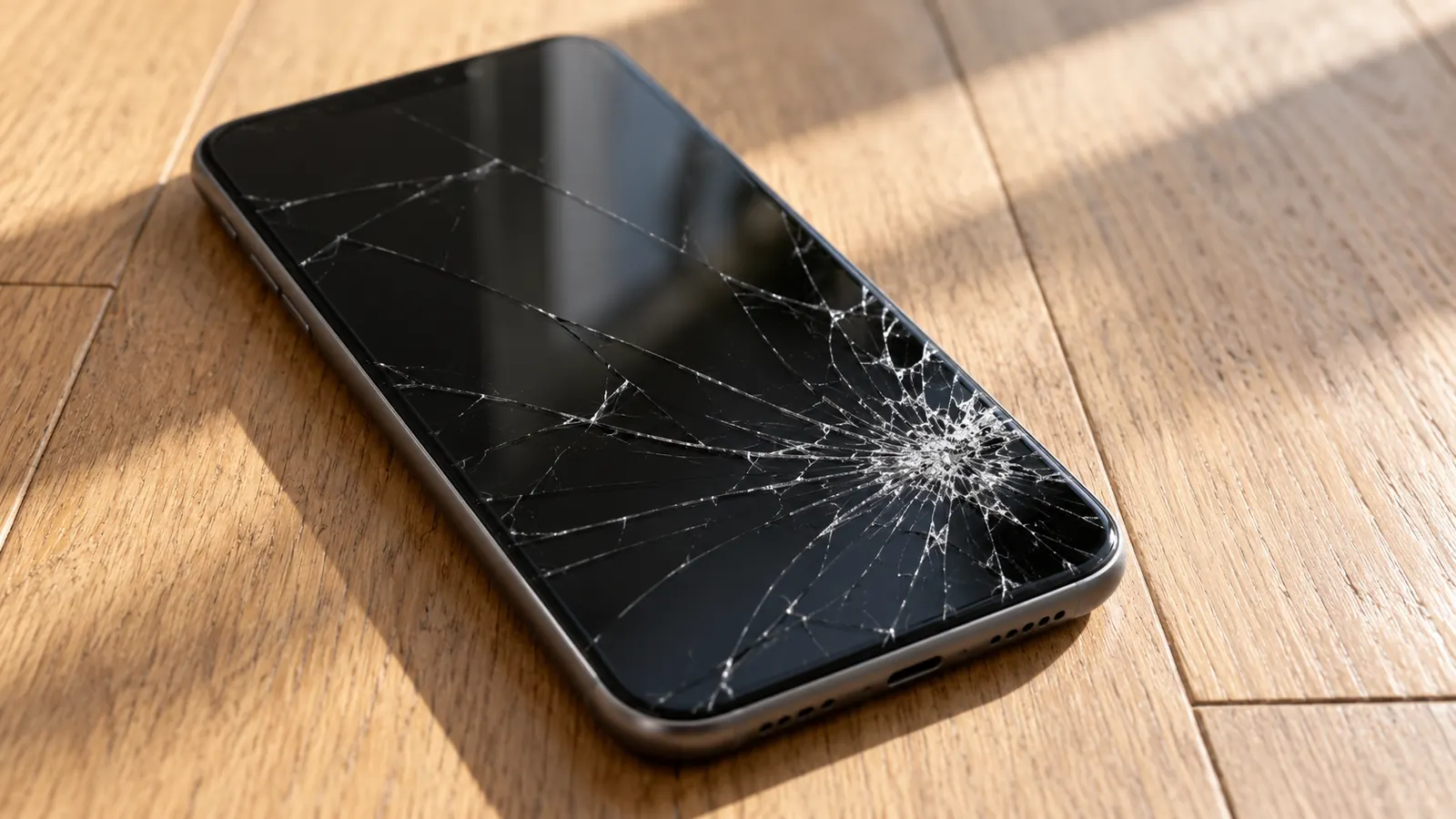
First, protect yourself and the phone
- If glass is loose or splintering, cover the screen with clear tape or a screen protector so you do not cut your fingers.
- Back up the phone now, while the touch screen still works; see Wiping a Phone Before You Sell, Trade or Recycle It for how.
- If the phone is bent, swelling, hot or smells of burning, stop using and charging it. A damaged lithium-ion battery can be a fire hazard; EPA notes that lithium-ion batteries can become a fire risk if broken, bent or crushed.
Check what coverage you already have
| Coverage | What to check |
|---|---|
| Manufacturer’s warranty | Usually covers defects, not drops; ask anyway if the crack appeared without impact |
| Phone insurance or protection plan | The deductible for screen damage, the number of claims allowed and whether repairs use original parts |
| Credit card benefits | Some cards include phone protection; read your card’s terms |
| Homeowners or renters insurance | State law requires phone-insurance sellers to tell you their plan may duplicate this; check the deductible |
State laws on portable electronics insurance require sellers to disclose the deductible and how it is paid, and whether a covered phone may be repaired using reconditioned or non-original parts. Compare the deductible with the price of a direct repair: for a single cracked screen, paying a shop may cost less than a claim. See Phone Insurance vs. Extended Warranty: Which, If Either, Is Worth It?.
Your repair options
The maker or an authorized shop
Usually uses original parts and keeps the repair inside the maker’s system. Often the most expensive option without coverage, but the simplest if you have a plan through the maker.
An independent repair shop
Often cheaper and faster. The FTC explains that under the Magnuson-Moss Warranty Act, a company cannot void your warranty or deny coverage solely because you had repairs done by someone not associated with it, though it can refuse to cover damage that the independent repair actually caused. Ask the shop:
- Which kind of screen do they use: original, refurbished original or aftermarket?
- Do features such as touch sensitivity, brightness, fingerprint or face unlock keep working?
- What warranty do they give on the repair, and for how long?
- Will they keep your phone overnight, and how do they protect your data?
Do it yourself
Kits and parts are widely sold, and in states with digital fair repair laws, makers must offer owners parts, tools and documentation on fair terms. Minnesota’s law, for example, requires documentation to be provided free, except for printed copies, and includes software tools needed to pair or calibrate a part. Screen replacement is delicate work, though: heat, adhesives, ribbon cables and the battery sit close together. Watch a full repair guide first and be honest about your skill.
Tip: Ask any repair shop to put the price, the part type and its repair warranty in writing before they start. The FTC advises getting spoken promises in writing, because a business may later refuse to honor them.
Repair or replace?
A screen repair makes sense when the rest of the phone is healthy and still receiving software updates. Replacing becomes more attractive when:
- the repair costs a large share of what a comparable used phone sells for;
- the battery is also worn and would need replacing soon;
- the phone has stopped receiving security updates. The FTC suggests checking the maker’s website to learn how long a device will get updates.
If you decide to replace it, the broken phone still has value for parts or a trade-in; see Trade-Ins and Bill Credits: How to Get Real Value From an Old Phone.
Software can complicate repairs
Some phones need software to pair a new screen or other part before every feature works. Federal copyright rules allow circumvention when it is a necessary step to diagnose, maintain or repair a consumer device, and Minnesota’s law counts software that pairs or calibrates parts as a repair tool makers must offer. Ask a shop whether it can complete any pairing your model needs.
Prevent the next one
A case with raised edges and a screen protector cost little compared with a repair. Keep the phone out of the pocket where you carry keys, and do not leave it on the edge of a table or car roof.
The bottom line
Check your coverage, compare the deductible with a direct repair price, get quotes from an authorized and an independent shop, and get the details in writing. Independent repair does not by itself void your warranty, and new state laws are making parts and manuals easier to get. More on those rights is in Right to Repair and Your Phone: What Federal and State Law Says.