
Pinned in this thread
For every million cell phones recycled, 35,000 pounds of copper, 772 pounds of silver, 75 pounds of gold and 33 pounds of palladium can be recovered, EPA says.
Lithium-ion batteries and devices containing them should not go in household garbage or recycling bins.
EPA’s first step before donating or recycling electronics: delete all personal information.
Most households have at least one old phone in a drawer. It may feel harmless there, but it still holds your data, its battery slowly ages, and the metals inside are worth recovering. When a phone is no longer worth selling or trading in, recycling it properly is the last step in getting your money’s worth.
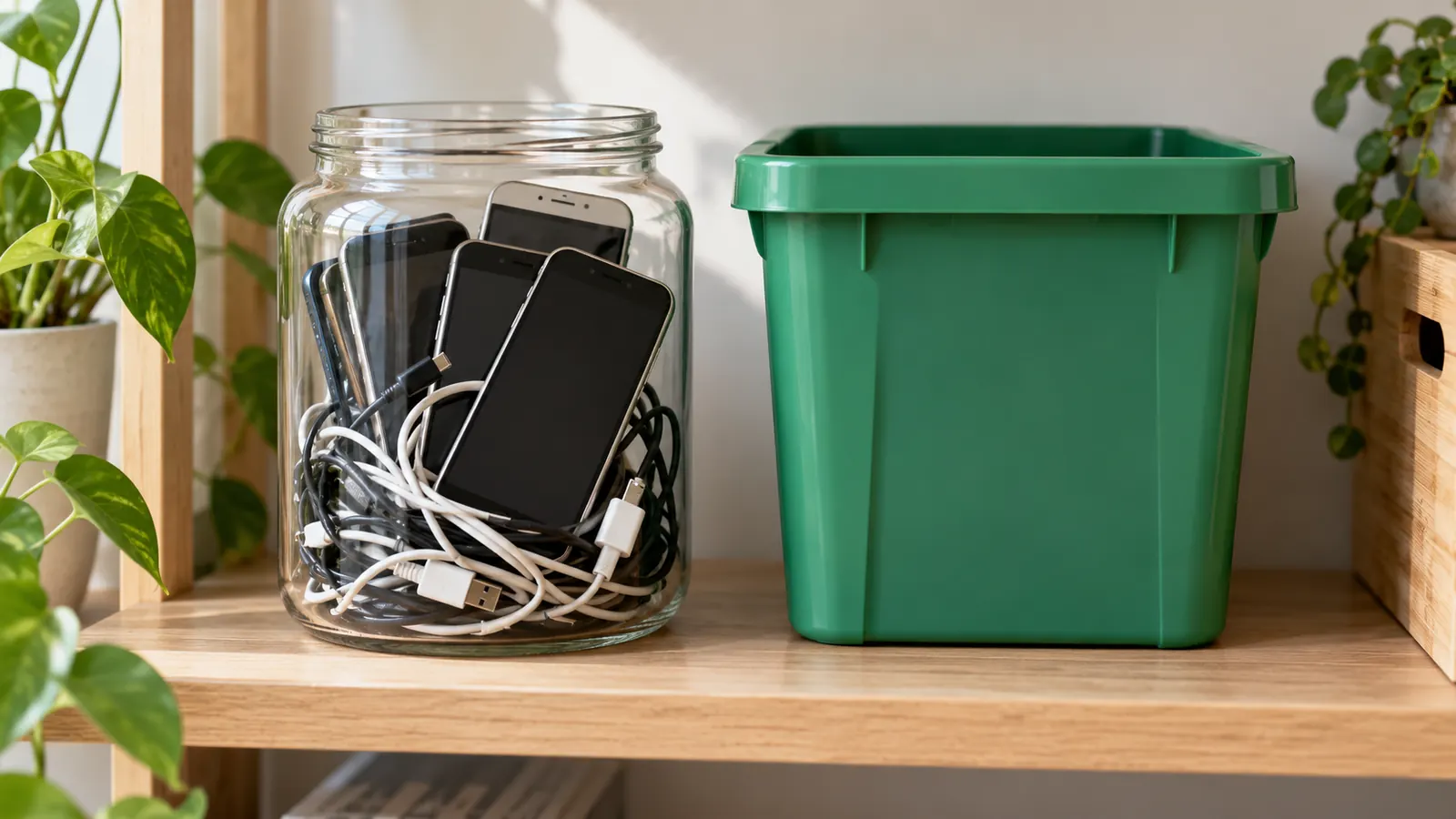
Why recycle a phone?
EPA explains that electronics are made from valuable resources, including metals, plastics and glass, all of which take energy to mine and manufacture. Donating or recycling them conserves resources and avoids air and water pollution. For phones in particular, EPA gives striking numbers:
| For every million cell phones recycled | Can be recovered |
|---|---|
| Copper | 35,000 pounds |
| Silver | 772 pounds |
| Gold | 75 pounds |
| Palladium | 33 pounds |
Step 1: Wipe it
EPA’s first instruction before donating or recycling electronics is to delete all personal information. The FTC’s steps are: back up the phone, remove the SIM and any memory card, unlink it from your accounts and restore factory settings. Full details are in Wiping a Phone Before You Sell, Trade or Recycle It.
Step 2: Donate, sell or recycle?
- If it works and still receives software updates, sell it or trade it in; see Trade-Ins and Bill Credits: How to Get Real Value From an Old Phone.
- If it works but is old, consider donating it. A basic phone can still serve someone who needs it.
- If it is broken or very old, recycle it.
The FTC suggests checking with the manufacturer, your wireless provider or a local electronics store about recycling, and EPA notes that manufacturers and retailers offer several donation and recycling options.
Step 3: Use a certified recycler
EPA maintains a page explaining what it means for an electronics recycler to be certified, and it points people to certified recyclers for devices with built-in batteries. When you choose a drop-off point or mail-back program, ask whether the recycler is certified and how it handles any data left on devices.
Batteries: never in the trash
The battery is the part that needs the most care. EPA says lithium-ion batteries, and devices containing them, should not go in household garbage or recycling bins. It explains that batteries can hold enough energy to injure people or start fires even when they seem used up, and that some lithium-ion batteries that are hard to remove can become a fire hazard if they are broken, bent or crushed.
EPA’s handling advice for lithium-ion batteries:
- Place each battery in a separate plastic bag, or put non-conductive tape, such as electrical tape, over the terminals.
- Handle any damaged battery with care, and contact the battery or device maker for specific instructions if it is damaged.
- Bring removable rechargeable batteries to specialized battery recyclers, participating retailers with take-back services or household hazardous waste collection programs.
- For batteries built into a device, bring the whole device to a certified electronics recycler, a participating retailer or a local electronics or household hazardous waste collection program.
Tip: Treat a phone with a swollen or damaged battery as damaged: EPA says to handle it with care and contact the battery or device maker for specific handling information. Keep it away from anything flammable until it is dealt with.
Critical minerals
EPA notes that some batteries contain materials such as cobalt, lithium and graphite that the U.S. Geological Survey considers critical minerals: economically and strategically important, at risk of supply problems and hard to substitute. That is one more reason EPA says every effort should be made to recycle them.
Other devices in the same drawer
The same logic applies to tablets and laptops. EPA says recycling one million laptops saves the energy equivalent of the electricity used by more than 3,500 U.S. homes in a year, and suggests upgrading a computer’s hardware or software instead of buying a new one when that will do. Watches, hearing aids, car remotes and calculators often use single-use lithium coin or button batteries; EPA says not to put those in the trash or municipal recycling bins either, and to tape or bag them before drop-off. Ordinary alkaline batteries are different: EPA notes that in most communities they can safely go in household trash.
Chargers and cables
Chargers, cables and old earbuds are electronics too. Many take-back programs accept them along with the phone. Keep a working charger if it fits your current devices; otherwise recycle it with the phone rather than throwing it away.
A drawer-clearing routine
- Gather every old phone, tablet and charger in the house.
- Charge each one, if it is safe to do so, and check whether it is worth selling.
- Back up anything you want to keep, then wipe each device.
- Separate any device with a damaged or swollen battery for special handling.
- Take the rest to a certified recycler or a retailer take-back program.
The bottom line
Wipe it, try to reuse it, then recycle it with a certified recycler. Keep lithium-ion batteries out of the trash and recycling bin, tape or bag them, and get damaged ones handled properly. That keeps your data safe, prevents fires and puts valuable metals back to use.