
Pinned in this thread
Under the wireless industry’s commitments, carriers unlock postpaid phones after the contract, device financing or early termination fee is paid, and prepaid phones no later than one year after activation.
Carriers commit to unlock eligible phones, or explain why not, within two business days of a request.
In January 2026 the FCC waived the rule that required Verizon to unlock phones 60 days after activation; Verizon now follows the industry’s voluntary commitments.
If you want to switch carriers and keep your phone, or buy a used phone to use on a different network, the first question is whether the phone is locked. A locked phone is set up to work only on the network of the carrier that sold it. Unlocking removes that restriction. Knowing the rules can save you from buying a phone that will not work, or from paying for a new one you do not need.
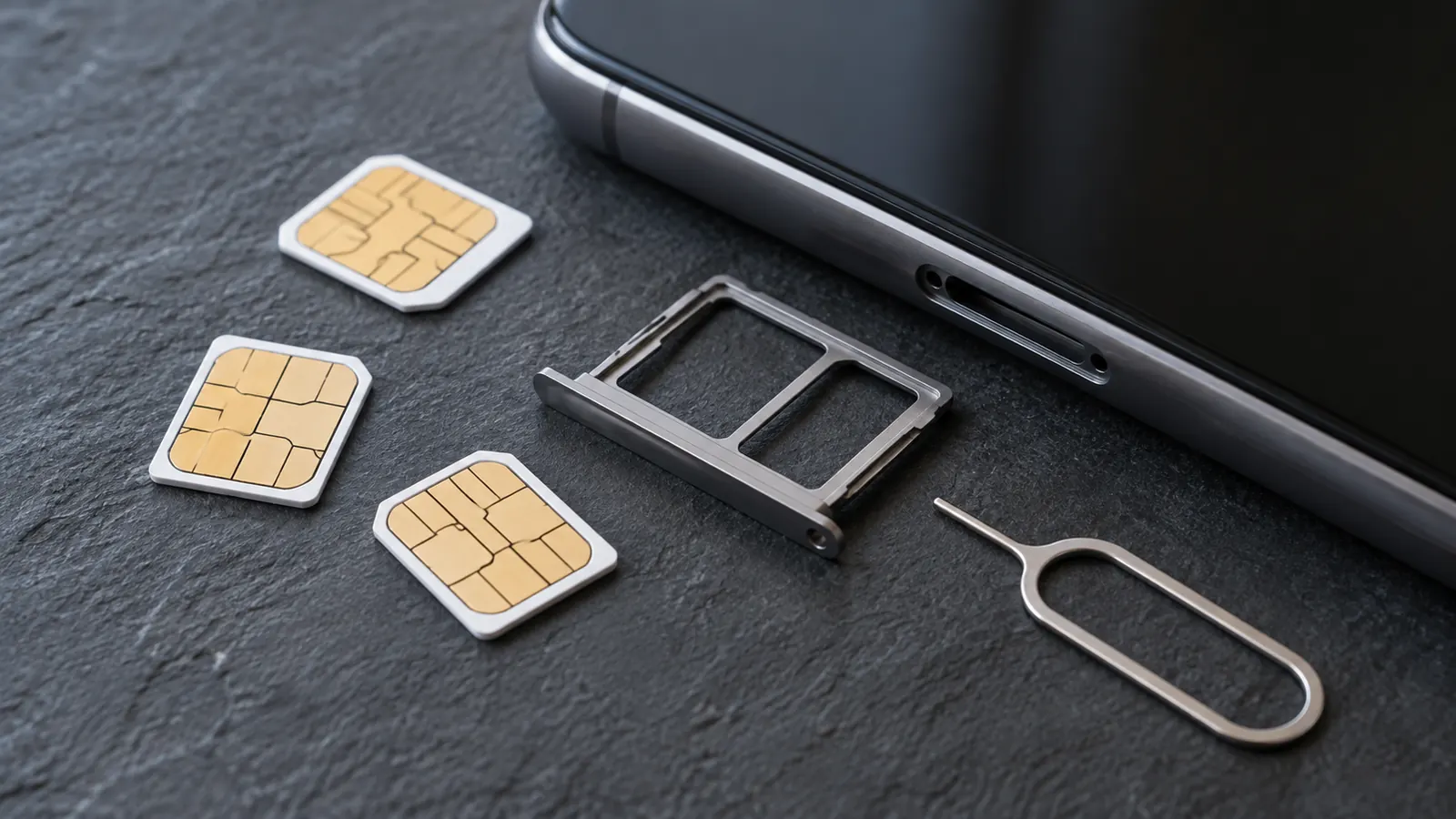
Why carriers lock phones
Carriers often sell phones below full price, or let you pay them off over time, and locking ties the phone to their network until it is paid for. The Federal Communications Commission’s Wireless Telecommunications Bureau also describes locking as a way carriers deter fraud: in a January 2026 order, it said carriers lock phones to prevent them from being switched right away from one network to another, which makes stolen and fraudulently obtained phones less valuable.
The industry’s six commitments
In 2013 and 2014, after pressure from the FCC and Congress, the wireless industry’s trade association, CTIA, adopted six unlocking standards and added them to its Consumer Code for Wireless Service. Carriers had until February 11, 2015 to put them in place. As quoted in an FCC docket letter from Senator Amy Klobuchar, they are:
| Commitment | What it says |
|---|---|
| Disclosure | Each carrier posts a clear, concise and readily accessible unlocking policy for postpaid and prepaid phones on its website |
| Postpaid | On request, carriers unlock phones, or give the information to unlock them, for customers and former customers in good standing and individual owners of eligible devices once the service contract, device financing plan or early termination fee is satisfied |
| Prepaid | On request, carriers unlock prepaid phones no later than one year after initial activation, consistent with reasonable time, payment or usage requirements |
| Notice | Carriers tell customers when their phones become eligible, or unlock them automatically, without an extra fee; they may charge non-customers a reasonable fee |
| Response time | Within two business days of a request, carriers unlock the phone, start a request to the maker, or explain why it does not qualify or needs more time |
| Deployed military | Carriers unlock phones for deployed military customers in good standing who provide deployment papers |
These are voluntary industry commitments, not a federal rule. But the FCC refers to them in its orders, and carriers that follow them publish their own unlocking policies.
The 60-day rule and the 2026 waiver
One carrier had a stricter obligation. Under a 2007 FCC rule tied to a block of 700 MHz spectrum, Verizon was required to unlock phones that use that spectrum; a 2019 FCC waiver let it keep phones locked for 60 days after activation to fight fraud, after which they had to be unlocked. On January 12, 2026, the Wireless Telecommunications Bureau granted Verizon a waiver of that unlocking rule. While the waiver is in effect, Verizon has committed to fully comply with the CTIA unlocking commitments. The order says the waiver lasts until the Commission decides on an industry-wide approach to unlocking. A similar waiver went to a small rural carrier in June 2026.
The FCC opened a broader rulemaking on handset unlocking in 2024 and tentatively concluded that a common set of unlocking requirements for all carriers would serve the public interest. As of the January 2026 order, that rulemaking was still pending. Check your carrier’s current policy before you rely on any waiting period.
Tip: Before buying a phone to take to another carrier, ask the seller which carrier it came from, then read that carrier’s posted unlocking policy. The disclosure commitment means it should be on the carrier’s website.
Postpaid, step by step
- Pay off the phone. If you financed it, the remaining balance usually has to be paid.
- Finish or close out any service contract, or pay an early termination fee if one applies.
- Make sure the account is in good standing.
- Submit an unlock request through the carrier’s website, app or support line. Some carriers unlock automatically when a phone becomes eligible.
- Wait for confirmation. Under the commitments, carriers should act or explain within two business days.
Prepaid, step by step
Prepaid phones are usually locked for longer, because the carrier has not been paid for the phone through a monthly bill. Under the commitments, carriers unlock prepaid phones no later than one year after activation, subject to reasonable time, payment or usage requirements, which vary by carrier. Keep the phone active and in good standing during that period.
Buying a used phone that is still locked
If you are buying used, a locked phone is a risk. You may not be able to unlock it if you are not the carrier’s customer, though the postpaid commitment covers “individual owners of eligible devices,” and carriers may charge non-customers a reasonable fee. If the phone is not paid off, it will not be eligible. See Checking a Used Phone Before You Buy: A Practical Checklist.
Is unlocking legal?
Yes, for the owner of the phone. Congress settled that in 2014; the details are in Is Unlocking a Phone Legal? The Copyright Rule Explained.
The bottom line
Unlocking is usually a matter of time and paperwork: pay off the phone, wait out any prepaid period, ask the carrier and expect an answer within two business days. Rules for one national carrier changed in 2026, and an FCC rulemaking is still open, so read the carrier’s posted policy each time. An unlocked phone is also worth more when you sell or trade it in; see Trade-Ins and Bill Credits: How to Get Real Value From an Old Phone.