
Pinned in this thread
The FTC recommends paying with a credit card or a secure payment system that protects buyers, and warns that scammers ask for payment methods that make it hard to get money back.
If a listing shows only stock photos, you cannot check the item’s condition or be sure the seller has it, the FTC says.
An expensive item listed for a very low price might be fake.
Phones hold their value poorly, which is good news for buyers. A model that is a year or two old often sells for much less than it did new, and for most people it does everything a new one would. The catch is that a used phone comes with questions a new one does not: Is it locked? Is it paid off? Has it been dropped in a pool? This guide walks through how to buy one sensibly.
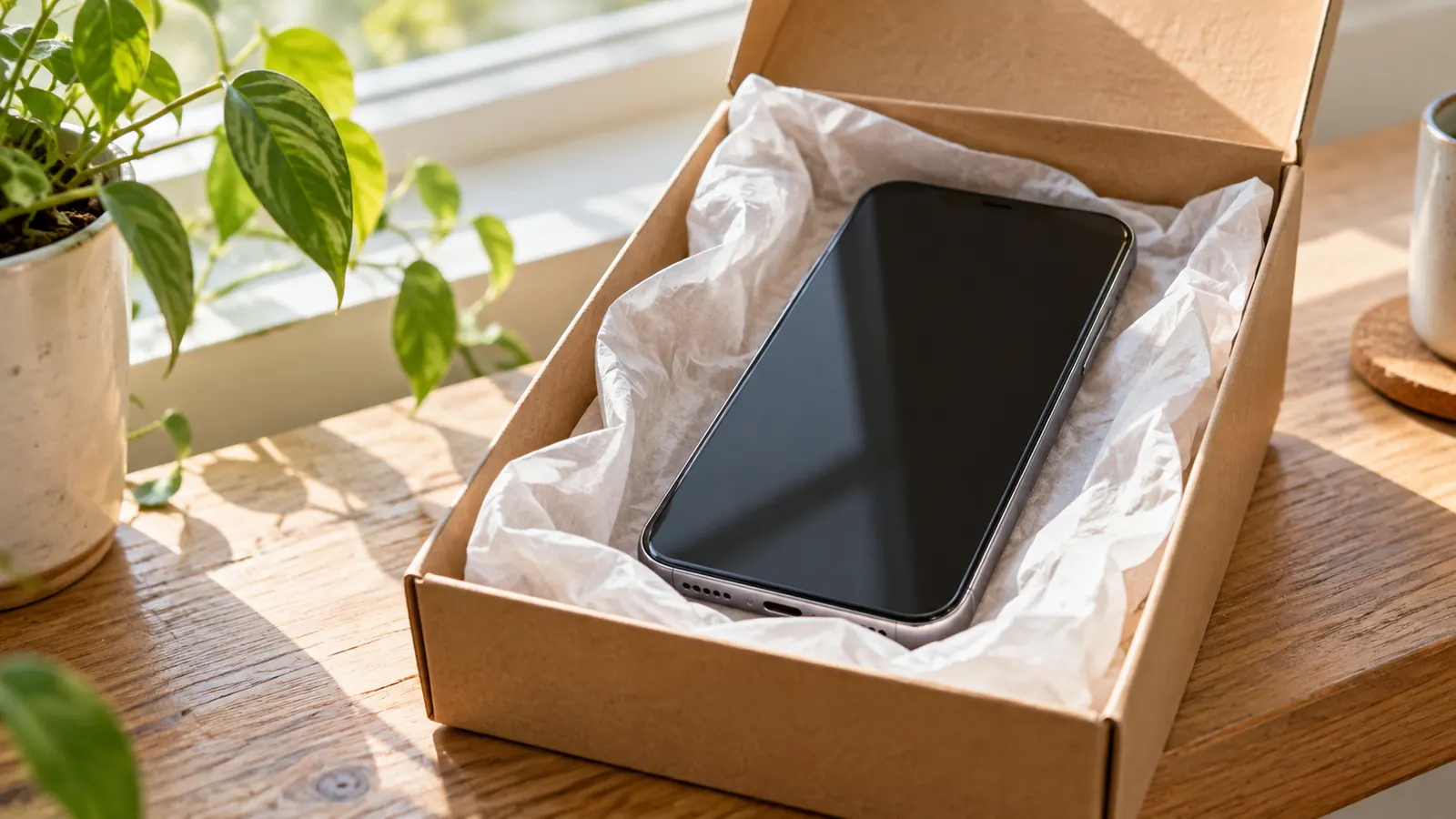
Decide what you need first
Before you shop, settle three things. Which carrier will you use? A phone that works perfectly on one network may not work on another, and some are locked to the carrier that sold them; see How Phone Unlocking Works: Postpaid, Prepaid and the Waiting Period. How long do you want to keep it? Software updates matter for security, and the FTC has found that many makers do not make it easy to find out how long a device will get them. And what is your real budget, including a case, a charger if one is not included and any repair you might need soon?
Where to buy
| Source | What to watch for |
|---|---|
| Online marketplaces run by large companies | Read the site’s buyer protection rules; some help with refunds, some do not |
| Local listings and neighborhood groups | Usually no protection at all; meet in a safe public place and test before you pay |
| Refurbishers and retailers | Ask what “refurbished” means to them and what warranty comes with it; see Refurbished Phones Explained: What the Word Does and Doesn’t Mean |
| Carrier trade-in and certified pre-owned programs | Ask whether the phone is locked and for how long |
| Friends and family | Ask them to sign out of their accounts and erase the phone in front of you |
The FTC’s guidance on online marketplaces notes that some marketplace operators leave payments, returns and refunds entirely to buyers and sellers, while others will help if you never get the item or get something other than what was advertised. Read the site’s policies before you buy, and check that the protection covers the seller and the item you want. There may be a short window to claim a refund.
Check the seller and the listing
The FTC suggests a few habits that apply directly to phones:
- Look at the seller’s ratings and recent comments, and do not rely on star ratings alone; some reviews are fake.
- Make sure the listing includes contact information, and get answers to your questions in writing.
- Look for several photos of the actual phone. If the seller shows only stock photos, you cannot judge the condition or be sure they have the phone.
- Read the description carefully. The FTC notes that words like “refurbished,” “used” or “as is” usually mean an item is not in top condition.
- Be suspicious of a price far below the going rate. An expensive item listed for very little might be fake.
Pay the safe way
The FTC recommends paying with a credit card, which has legal protections if something goes wrong with the purchase or delivery, or with a secure online payment system that protects buyers. It warns that scammers often ask for payment methods that make it hard to get your money back, and it specifically tells buyers not to pay by wire transfer.
Tip: If a seller pushes you to pay by wire transfer, gift card or another method with no buyer protection, walk away. A real seller with a real phone will accept a safer method.
Inspect before you hand over money
If you buy in person, take your time. The full checklist is in Checking a Used Phone Before You Buy: A Practical Checklist, but the essentials are:
- Make sure the phone is signed out of the previous owner’s accounts and has been reset.
- Put your own SIM card in and make a call, send a text and load a web page.
- Test the screen, cameras, speakers, microphone, buttons and charging port.
- Look at the battery health setting if the phone has one.
- Ask whether the phone is paid off and unlocked, and how the seller knows.
Know what protection you have
A used phone from a private seller usually comes with no written warranty. The FTC explains that state laws create implied warranties for almost everything you buy, but that sellers can disclaim them by marking an item “as is” where state law allows. A refurbisher or retailer may offer a written warranty; read it before you buy. See Warranties on Used and Refurbished Phones: What You Actually Get.
Set it up safely
Once the phone is yours, the FTC’s advice for protecting any phone applies: set a screen lock with at least a 6-digit passcode, turn on automatic software updates, back up your data and turn on the feature that helps you find, lock or erase a lost phone. Doing this on day one also confirms that the phone accepts your accounts without trouble.
The bottom line
Buying used is one of the easiest ways to cut what you spend on phones. Choose a seller with some form of buyer protection, pay with a method that lets you dispute a charge, test the phone before the money changes hands and make sure it will work on your network. Those few steps remove most of the risk.