
Pinned in this thread
The FTC notes that a seller who calls an item “refurbished,” “used” or “as is” is probably not selling something in top condition.
Federal law says a warranty must be available to read before you buy, whether you shop in person or online.
Minnesota’s digital fair repair law defines a “part” as a replacement part, new or used, that a manufacturer makes available to its authorized repair providers.
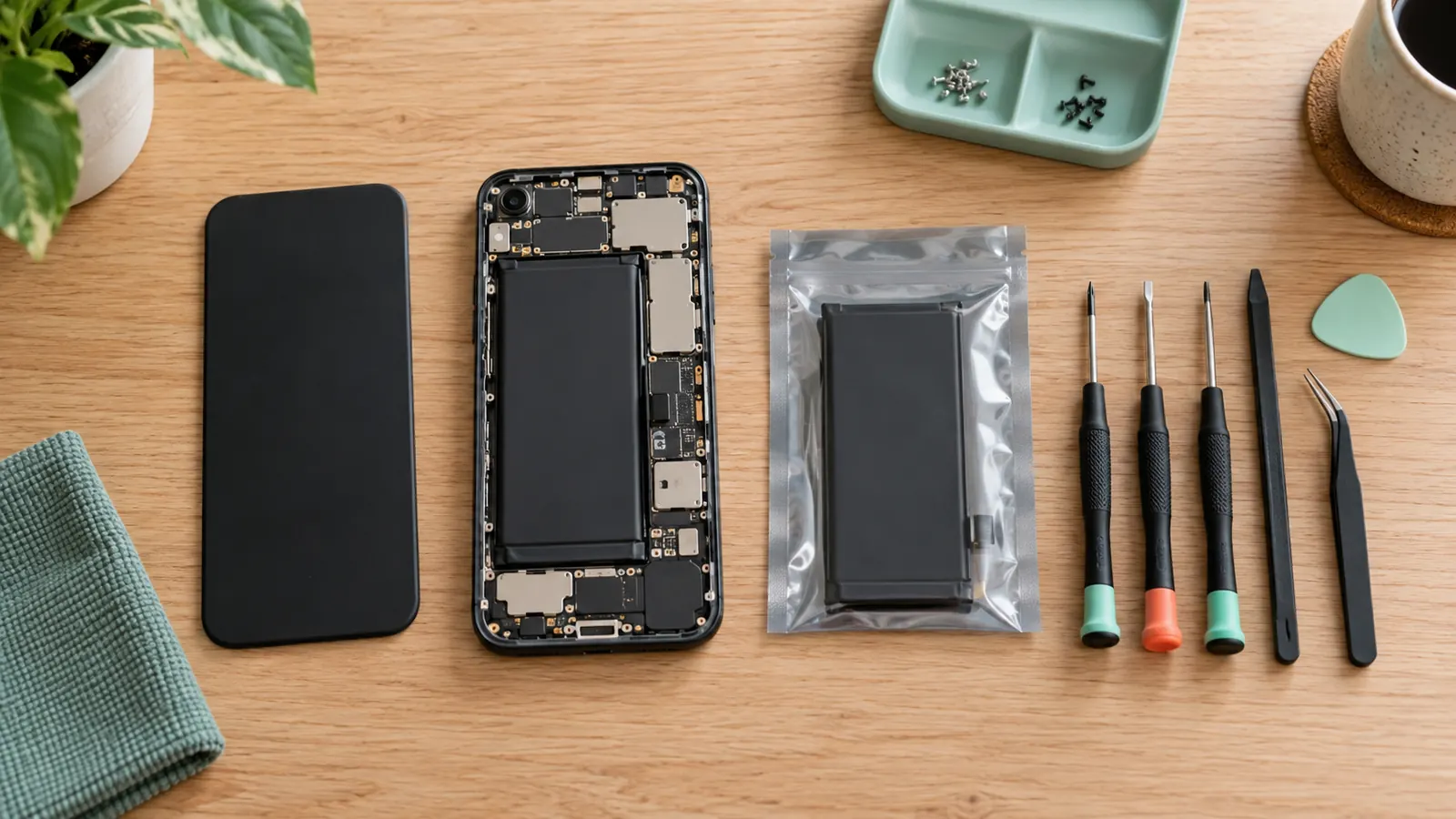
Refurbished phones sit between new and used. They are typically devices that were returned, traded in or repaired, then tested and cleaned up for resale. Many are excellent value. But the label covers a wide range of quality, and the details matter far more than the word itself.
No single definition
There is no federal rule that says what a phone must go through to be called refurbished. Makers, carriers, large retailers and independent sellers each set their own standards and grades. The FTC’s advice on shopping online marketplaces is blunt: if a seller describes an item as “refurbished,” “vintage,” “used,” “as is” or “close-out,” it probably isn’t in top condition. That is not a reason to avoid refurbished phones, only a reason to ask what the seller means.
Who refurbishes phones
| Seller | What it usually means | Questions to ask |
|---|---|---|
| The phone’s maker | Tested and repaired by the manufacturer, often with new battery or housing | What warranty, and is it the same as for a new phone? |
| A carrier | Returned or traded-in phones, checked and resold | Is it locked to the carrier, and for how long? |
| A large retailer or specialist refurbisher | Graded by cosmetic condition and tested | Who did the work, what was replaced, what grade? |
| A small marketplace seller | Anything from a careful repair to a quick wipe | Exactly what was tested and replaced? |
The questions that reveal what you are getting
- What was tested? Screen, battery, cameras, speakers, microphones, buttons, sensors, charging, cellular, Wi-Fi and Bluetooth.
- What was replaced, and with which parts? Original-maker parts, parts pulled from other phones or aftermarket parts can all be legitimate, but you should know which.
- What is the battery health? Batteries wear out, and a replaced battery is one of the most valuable things a refurbisher can do.
- What does the cosmetic grade mean? Grades are seller-specific; ask for photos of the actual phone.
- Is the phone unlocked, and is it fully paid off? A phone still tied to a financing plan can be a problem; see How Phone Unlocking Works: Postpaid, Prepaid and the Waiting Period.
- Has it been reset and removed from the previous owner’s accounts?
- What is the return period, and who pays return shipping?
- What warranty comes with it, and who stands behind it?
Parts and repairs are normal
A refurbished phone has usually had something fixed. Repair law treats used parts as normal: Minnesota’s digital fair repair law, for example, defines a “part” as any replacement part, new or used, that a manufacturer makes available to its authorized repair providers. What matters is that the repair was done well and that the seller is honest about it. If a phone was repaired with non-original parts, some features may behave differently, so ask.
Warranties: read before you buy
The FTC says that whenever there is a warranty, the law requires it to be available to read before you buy, in person or online. For a refurbished phone, look for:
- Length: how many days or months, and from when.
- Who honors it: the maker, the refurbisher or a third party.
- What it covers: defects only, or also the battery? Accidental damage is usually excluded.
- What happens if it fails: repair, replacement or refund, and who pays shipping.
The FTC also warns that if parts or repairs are not listed as covered, you should assume they are not. Save the warranty and your receipt; the receipt proves the purchase date. More in Warranties on Used and Refurbished Phones: What You Actually Get.
Tip: Ask the seller to put any spoken promise in writing, such as “the battery is new” or “you can return it for any reason within 30 days.” The FTC notes that a business may later refuse a promise that was never written down.
Refurbished or plain used?
A refurbished phone usually costs more than the same model sold privately as used. You are paying for testing, any repairs, a return period and a warranty. That is often worth it if you cannot inspect the phone in person or if you want some recourse. A private used sale can be cheaper if you can test the phone yourself and the seller is someone you trust. See Buying a Used Phone: How to Save Without Getting Burned.
Keep an eye on software support
A refurbished phone is often an older model. The FTC has found that many manufacturers make it hard to learn how long a device will get software updates, and it suggests checking the maker’s website or contacting the maker before you buy. A phone that stops getting security updates soon may be a poor buy at any price.
When something goes wrong
Contact the seller first. If that fails and the phone is under a maker’s warranty, write to the manufacturer; the FTC suggests certified mail with a return receipt. If a company does not resolve the problem, you can report it to the FTC at ReportFraud.ftc.gov and to your state attorney general. If you paid by credit card, ask your card issuer about disputing the charge.
The bottom line
“Refurbished” is a promise only as good as the company making it. Ask what was tested and replaced, insist on photos, a return period and a written warranty, and check software support. Do that, and a refurbished phone can be the best value in the market.